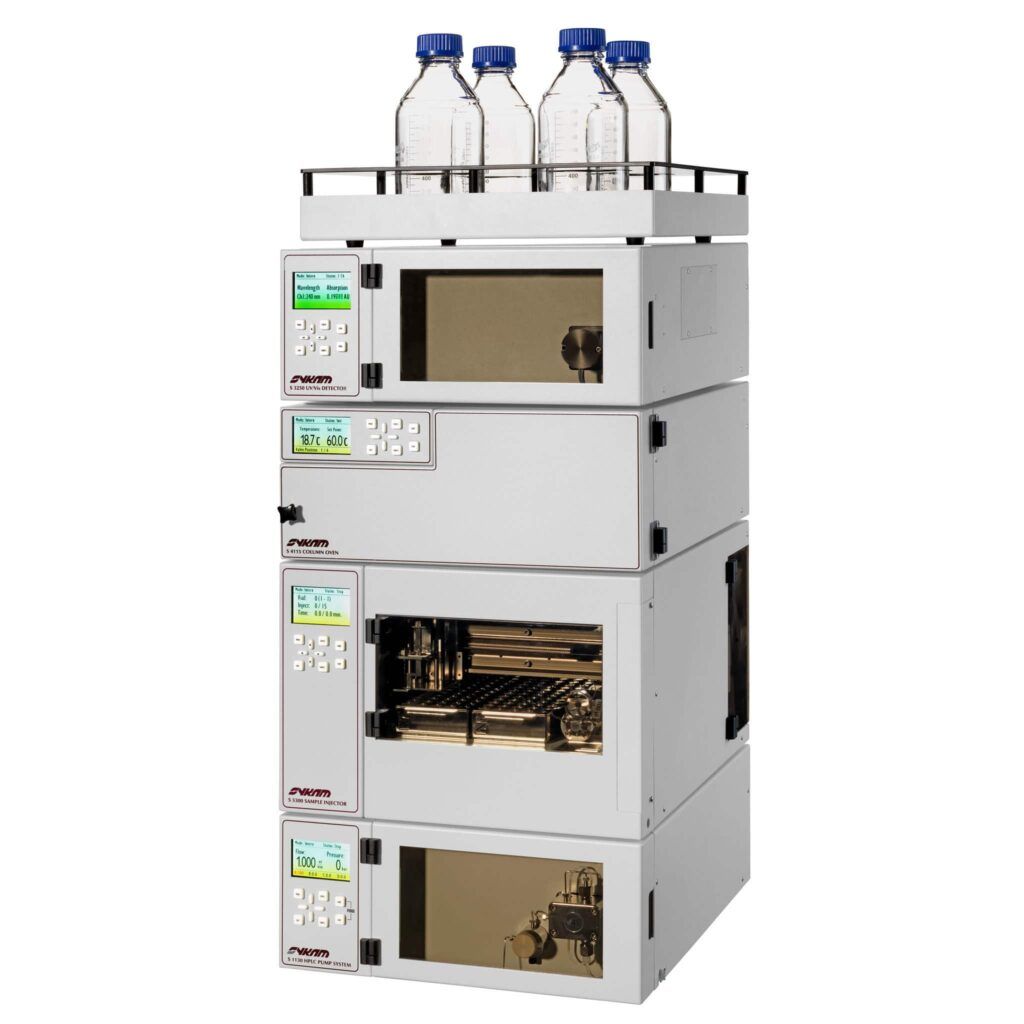
Sykam Analytical HPLC Systems
Modular S 500 and S 600 HPLC for micro, analytical, and semi-preparative work, in stainless steel or bio-inert PEEK.
View product


Reference: S 6010 / S 6110
Sykam S 6010 / S 6110 analytical injection valve for HPLC; stainless steel and biocompatible PEEK versions, up to 400 bar.
Key specifications
Sykam S 6010 / S 6110 Analytical Injection HPLC Valve
Request a quoteOverview
Analytical Injection valve from the Sykam S 6000 series for HPLC instruments. The S 6010 has a stainless steel stator, while the S 6110 is the identical valve with an inert PEEK stator.
A 2-position analytical injection valve for autosamplers and other motor-driven applications. It features No-Flow-Interruption (NFI) technology and ships with a 20 µl sample loop.
A variety of rotor seal materials is available to suit different applications.
Specifications
5 parameters
Reduces pressure spikes during position switching to a minimum.
A variety of rotor seal materials is available.
S 6010 (stainless steel) and S 6110 (PEEK stator).
Al-Shaker specifies the configuration, documents the system, and supports it across Jordan, the GCC, and MENA.
Consult
Plan
Supply
Install
Train
Support
Modular S 500 and S 600 HPLC for micro, analytical, and semi-preparative work, in stainless steel or bio-inert PEEK.
View product
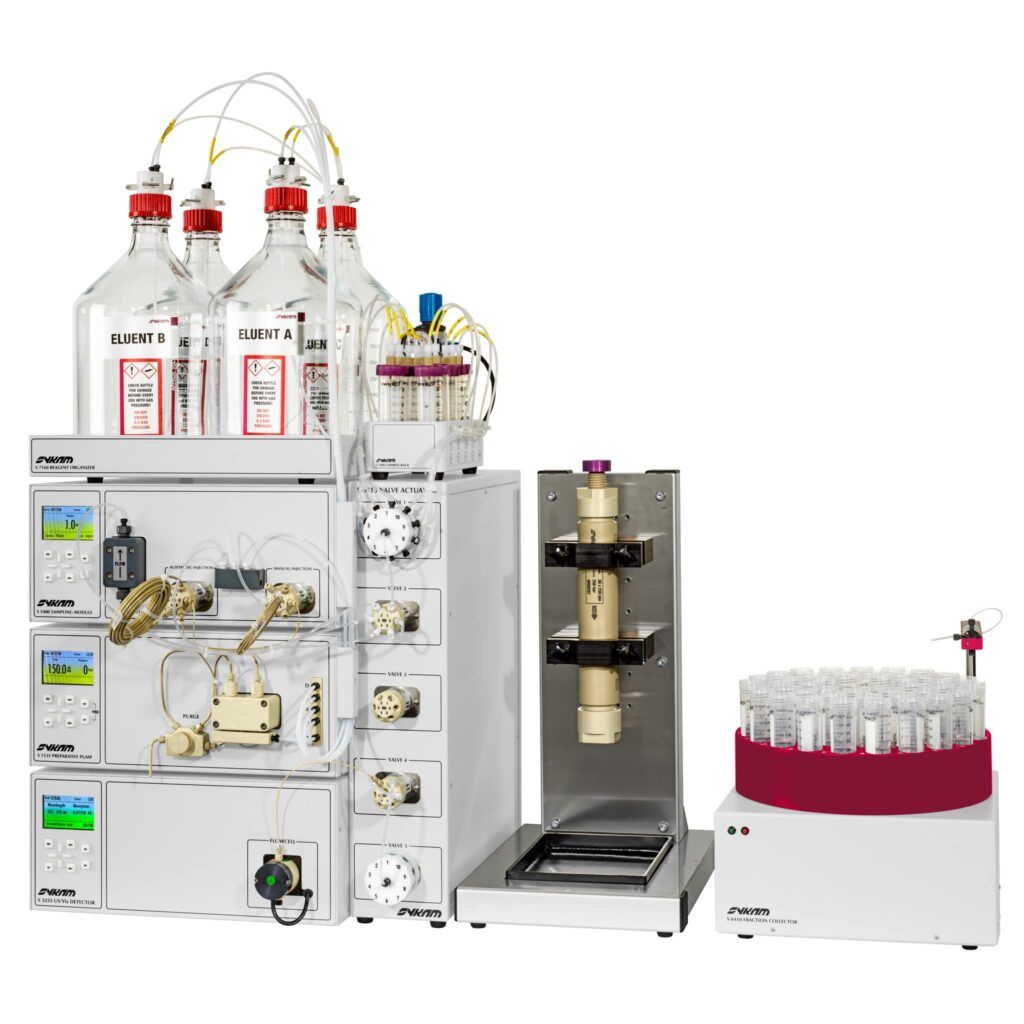
S 700 preparative HPLC from isocratic to quaternary gradient, with flow rates up to 1000 ml/min and pressures up to 400 bar.
View product
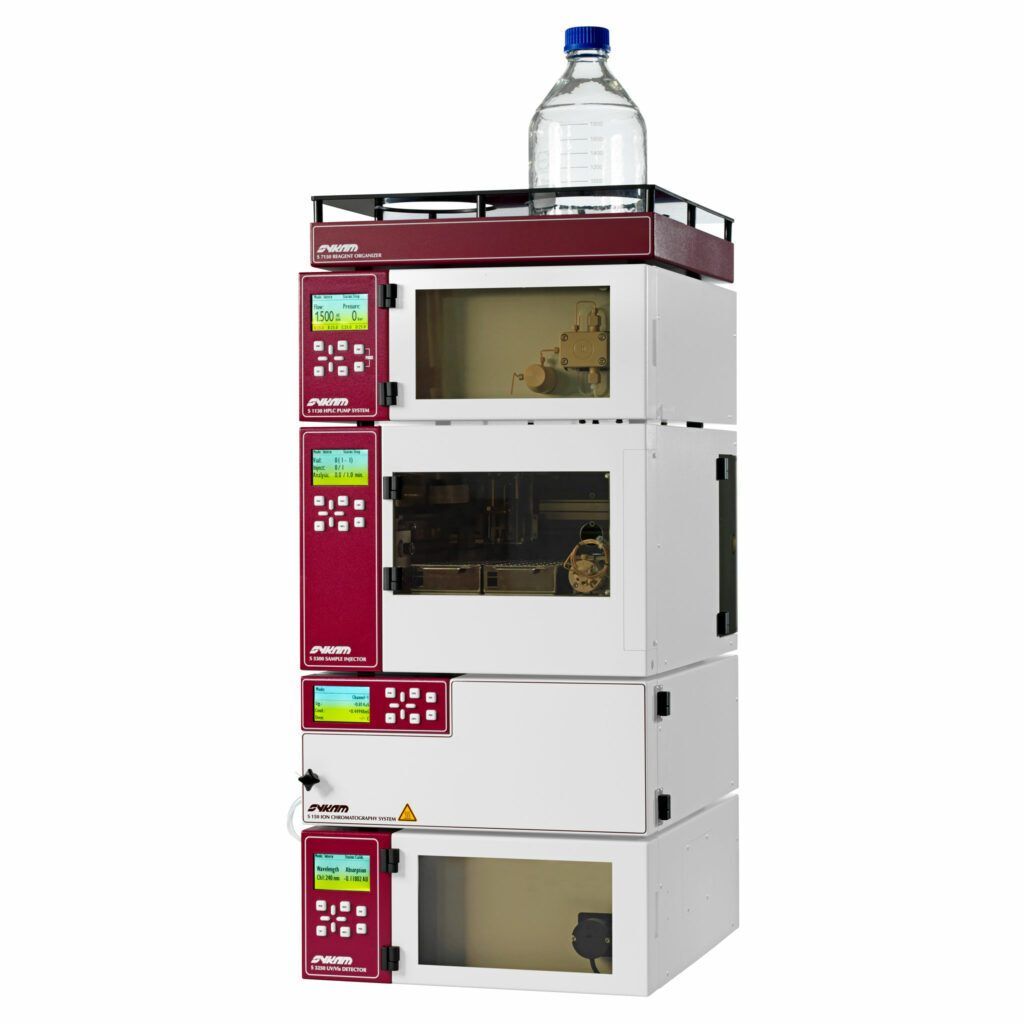
Modular and integrated ion chromatographs for anions, cations, transition metals, organic acids, and amines.
View product
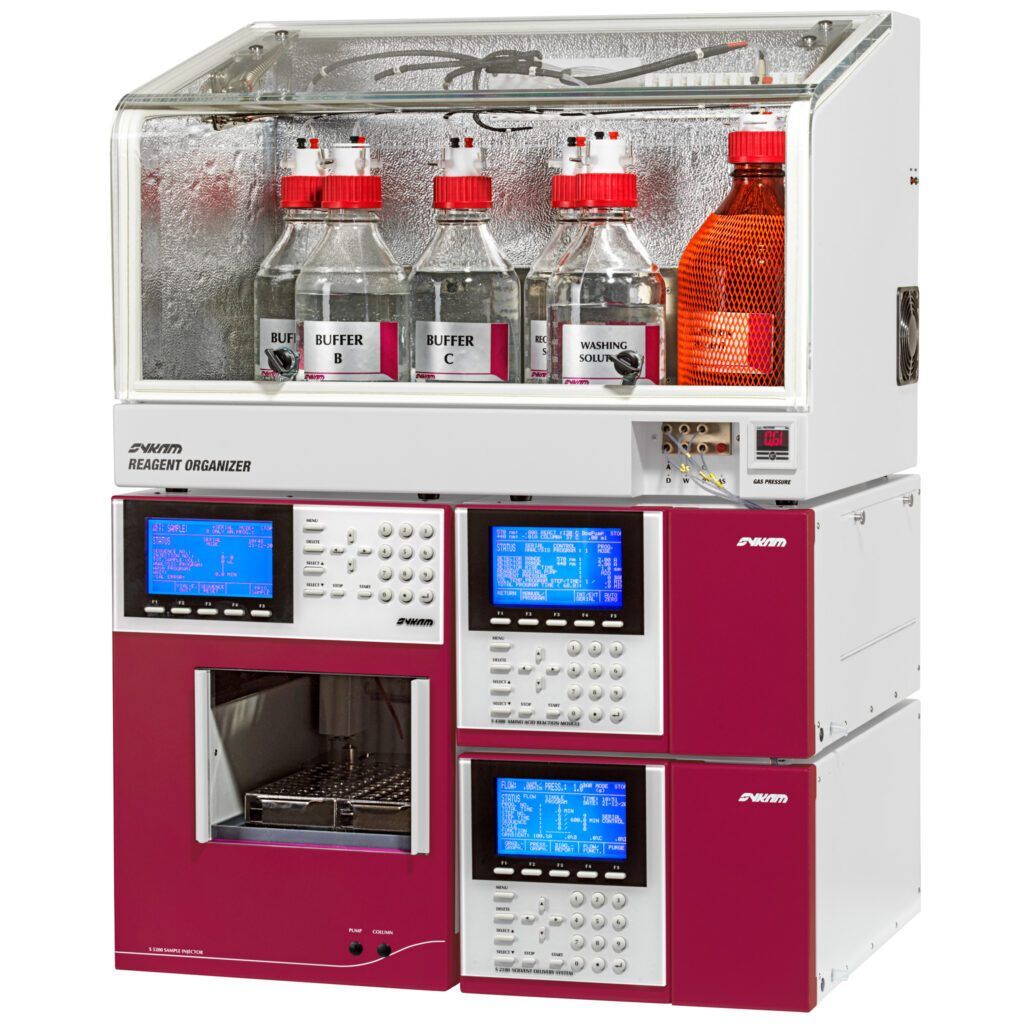
Dedicated S 433 and S 633 analyzers with ready-to-use chemistry and columns for physiological fluids and food/feed hydrolysates.
View product
Talk to the technical team
Share the workflow, capacity, and compliance constraints. We respond with a recommended configuration, not a generic catalogue list.