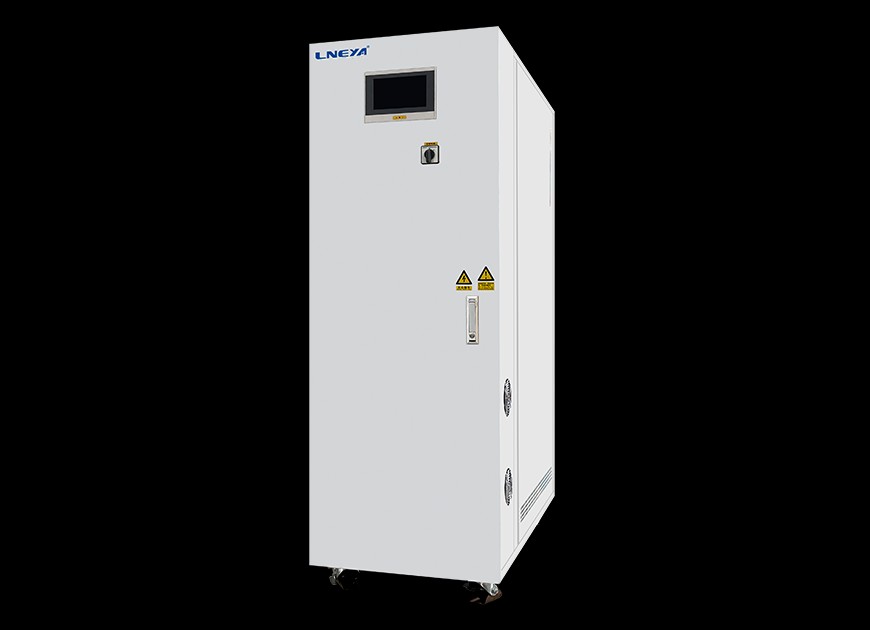
LNEYA
Recirculating chillers LT
LNEYA LT recirculating chillers: −80 to 30 °C, ±0.5 °C; LT 10–30 °C cooling 3–14 kW at 15 °C; pump 30 L/min at 1.6 bar; MODBUS RTU RS485.
View product

Equipment guide
A recirculating chiller pumps temperature-controlled liquid through an instrument to remove or add heat. Choose it by cooling capacity at your working temperature (not the headline figure), temperature stability, pump flow and pressure, and compatibility with the liquid and the instrument.
LNEYA LT recirculating chillers: −80 to 30 °C, ±0.5 °C; LT 10–30 °C cooling 3–14 kW at 15 °C; pump 30 L/min at 1.6 bar; MODBUS RTU RS485.
View product
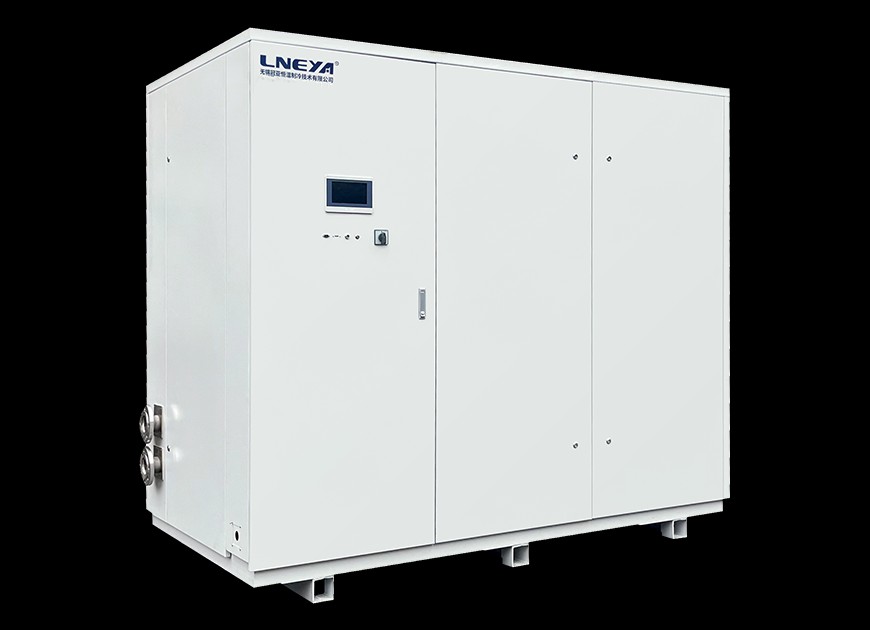
LNEYA SUNDI circulators: −25 to +200 °C (extendable −25 to +300), ±0.5 °C medium, cooling 1.8–200 kW, heating 3.5–200 kW, pump 35–600 L/min.
View product
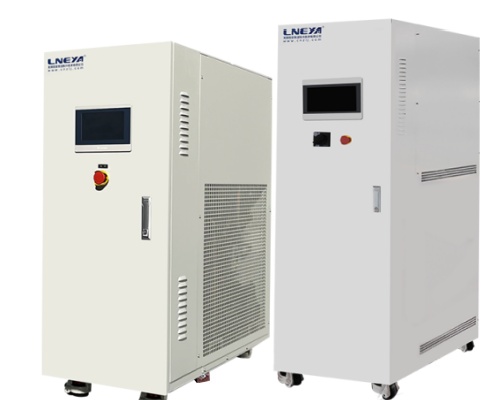
LNEYA high-temperature heating circulators: +10 to +300 °C, ±0.5 °C (custom ±0.1), heating 5.5–130 kW; UC 50–300 °C with a 7-inch touchscreen.
View product
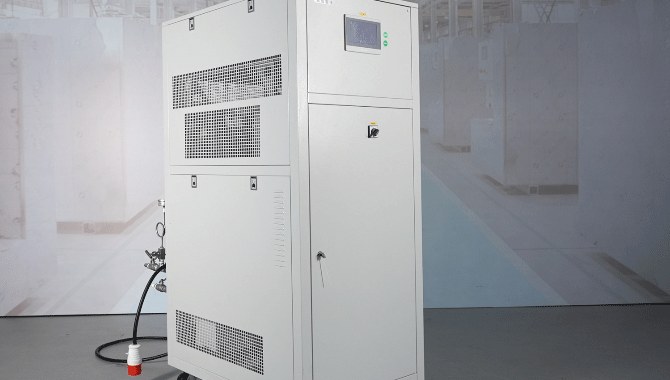
Recirculating chiller series reaching -25 °C with ±0.5 °C accuracy and 1.5 to 5 kW of cooling capacity at -15 °C, in air- or water-cooled versions.
View product
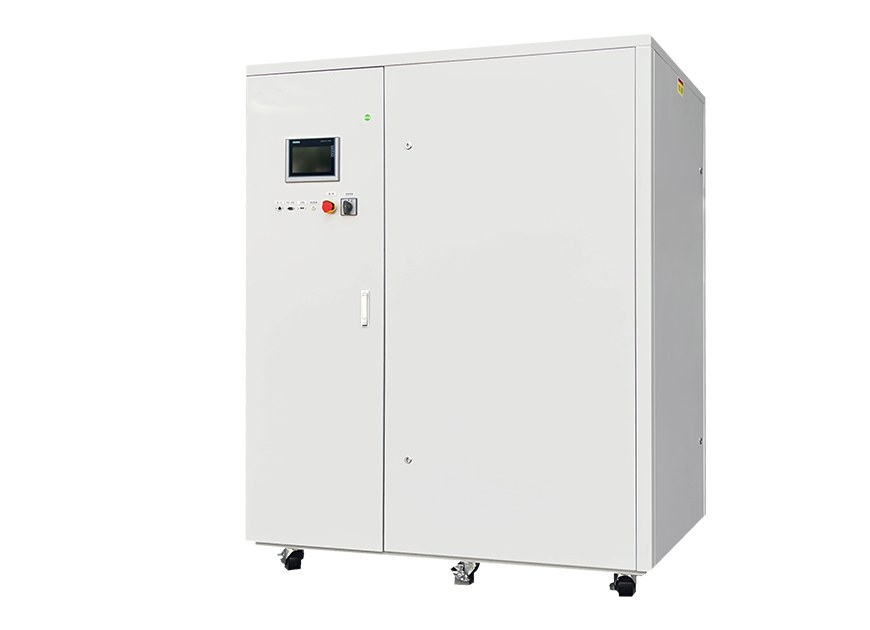
Heating-and-cooling glycol chiller for 5 to 90 °C with ±0.3 °C accuracy, 4 to 20 kW cooling and 3.5 to 15 kW built-in heating.
View product
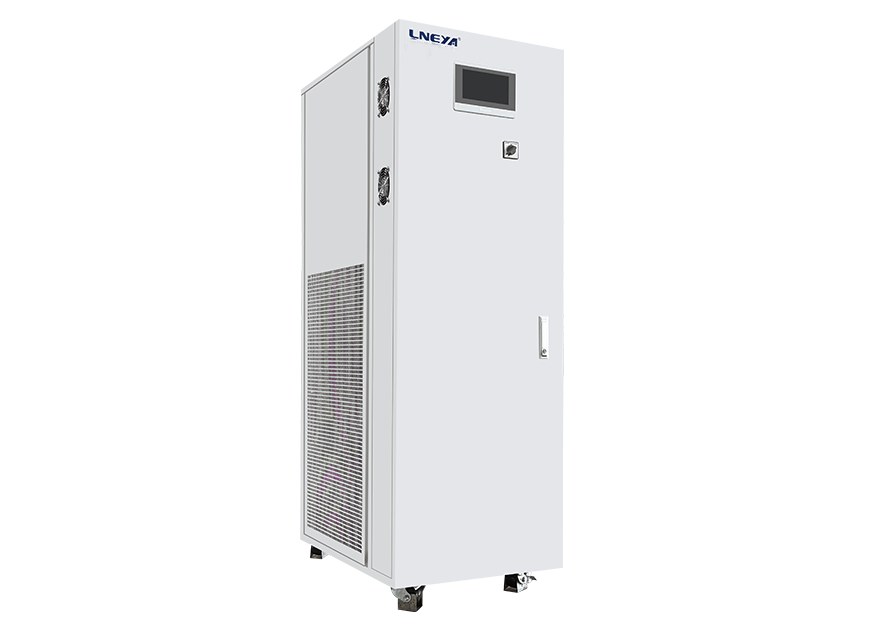
Industrial coolant chiller for -45 to 20 °C with ±0.5 °C control and 5.7 to 32.4 kW of cooling capacity at -20 °C.
View product
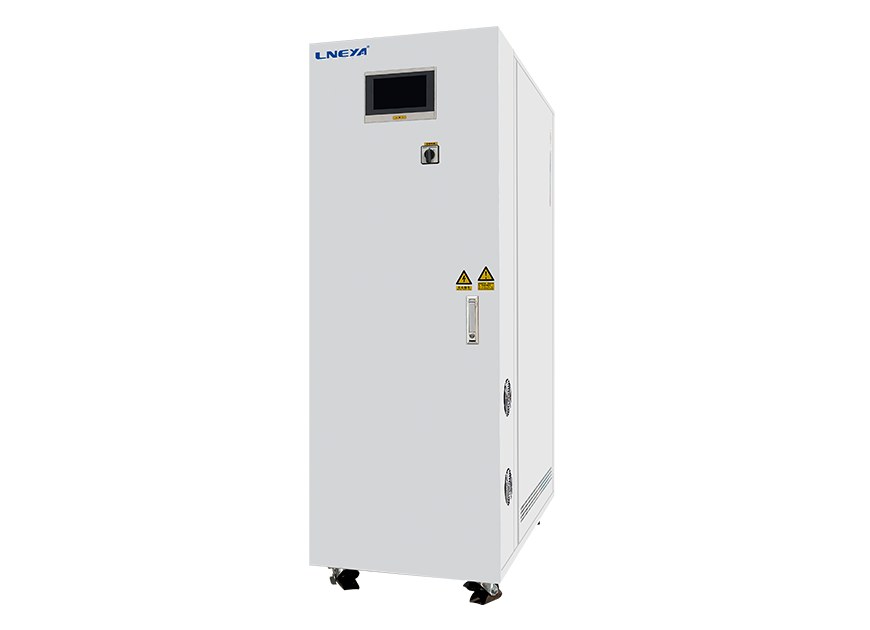
Variable-frequency LTZ chillers for deep-cold process cooling in three ranges: -60 to -30, -80 to -50 and -115 to -80 °C, each offered air- or water-cooled.
View product
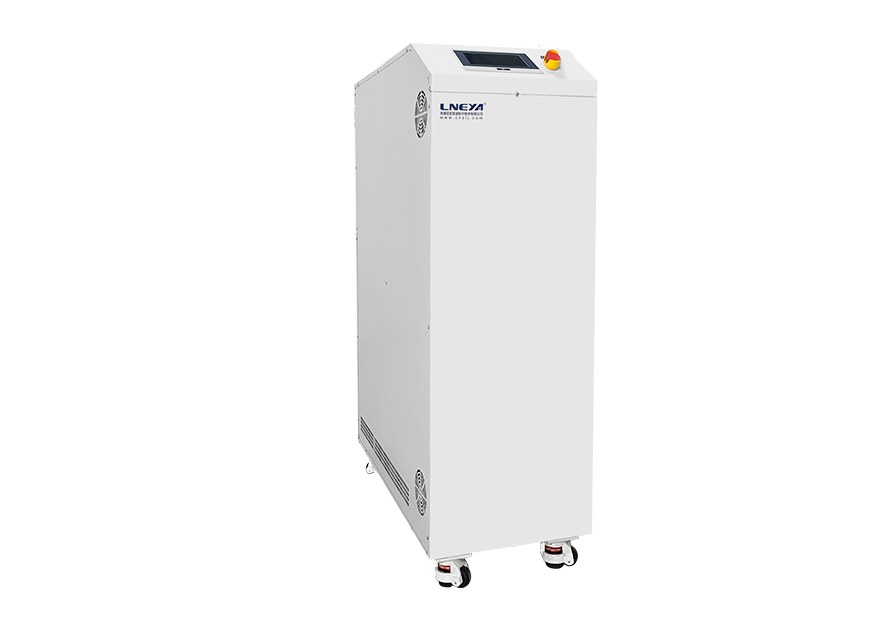
Direct-expansion ZLTZ chiller family with sizes from ZLTZ-3 to ZLTZ-150W, with cooling capacity from 8.1 to 314.9 kW at 0 °C in the -10 to 25 °C range.
View product
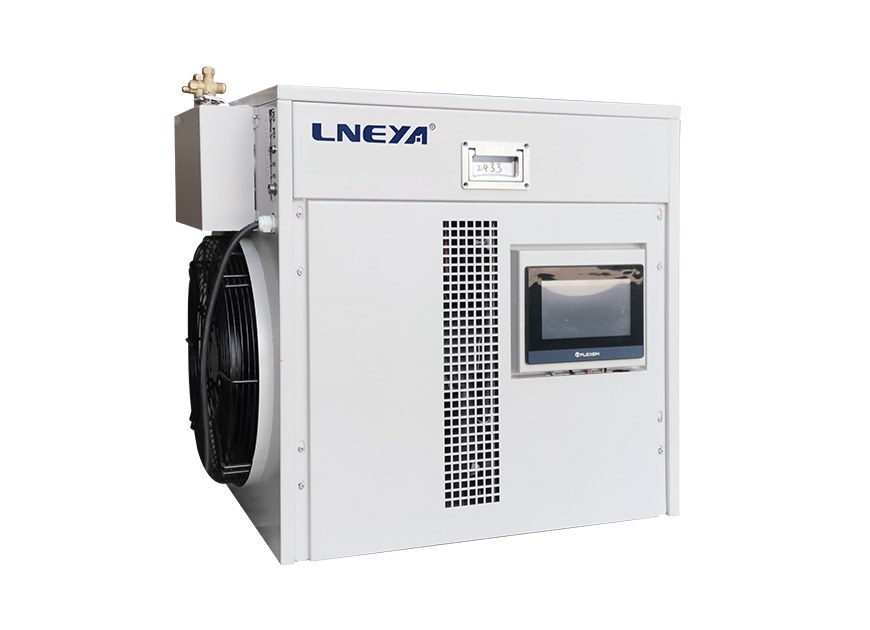
Direct-cooled chillers for -40 to -15 °C, -80 to -50 °C and -150 to -110 °C, with up to 11 kW of capacity at -120 °C.
View product
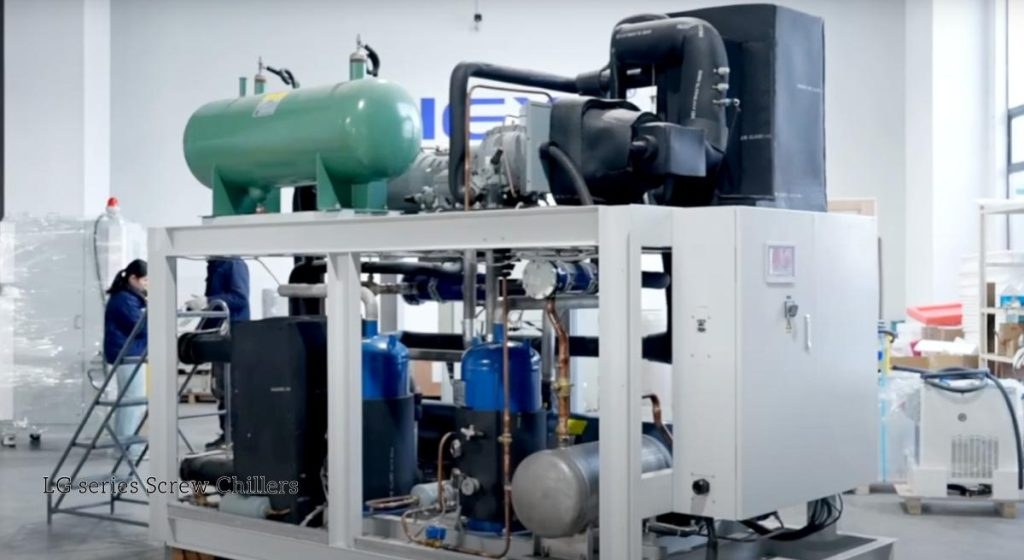
Industrial screw chillers with semi-hermetic twin-screw compressors, from 5 to 30 °C chilled water down to -110 °C ranges and up to 936 kW capacity.
View product
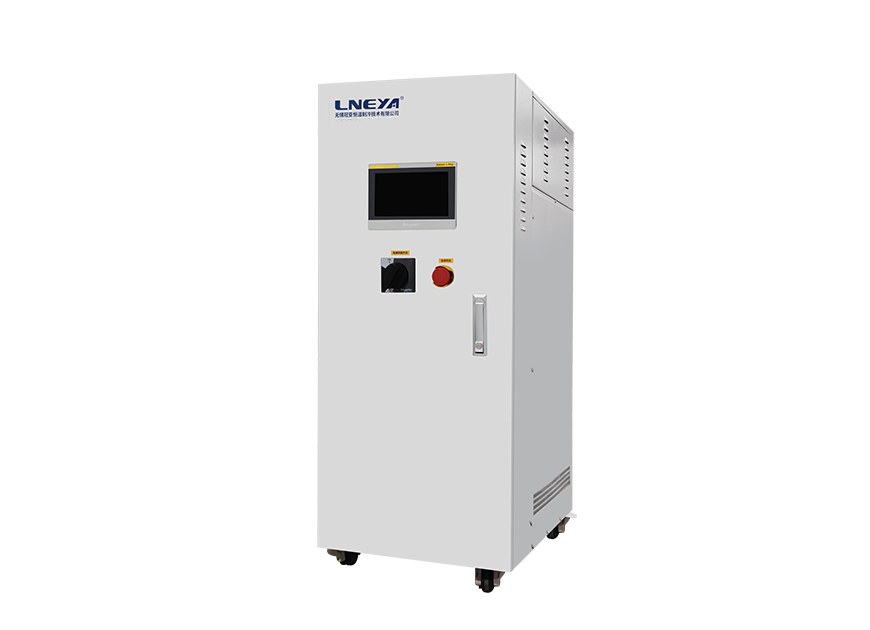
High-precision single-loop chillers for semiconductor process and test equipment, across six ranges from 5 to 90 °C down to -100 to 90 °C, with ±0.1 °C accuracy.
View product
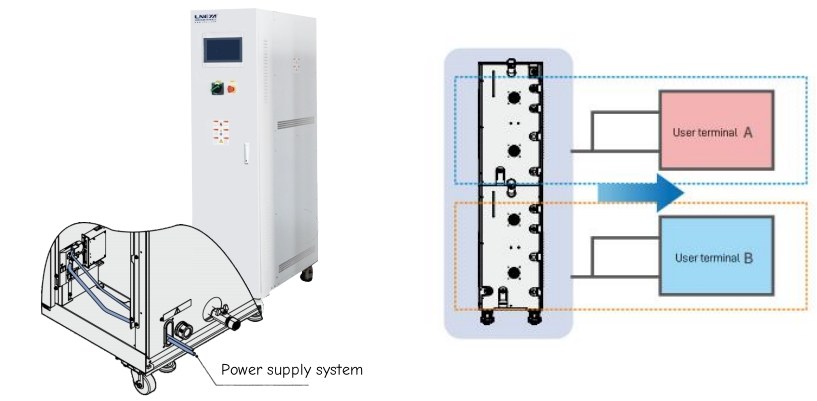
Triple-channel chiller giving three independently controlled fluid loops with ±0.1 °C stability, used with ETCU heat-exchange units on water-cooled models.
View product
Capacity falls as the set point drops. Check watts of cooling at your actual working temperature, with your heat load plus margin.
Match the range (cooling only or heating and cooling) and the stability, such as ±0.1 °C, to the process.
The pump must deliver adequate flow at the pressure drop of your instrument and tubing.
Water and glycol mixes, oils or specialty fluids suit different ranges. Use the fluid the chiller and instrument both support.
Compact benchtop units suit a single instrument; floor-standing chillers serve several instruments or higher loads.
Each range is supplied with installation, operator training and local service.
Add the heat load of the instrument(s) in watts, then choose a chiller whose cooling capacity at your set point exceeds it with 20–30 % margin, with enough pump flow for the circuit.
A circulator heats and/or cools a bath or external loop around a set point. A chiller is built for stronger, continuous cooling of an instrument and typically has a larger compressor.
Yes. Send your instrument, heat load and temperature range through the quote form and the technical team will recommend a configuration.
Talk to the technical team
Share the workflow, capacity, and compliance constraints. We respond with a recommended configuration, not a generic catalogue list.