Galaxy Scientific
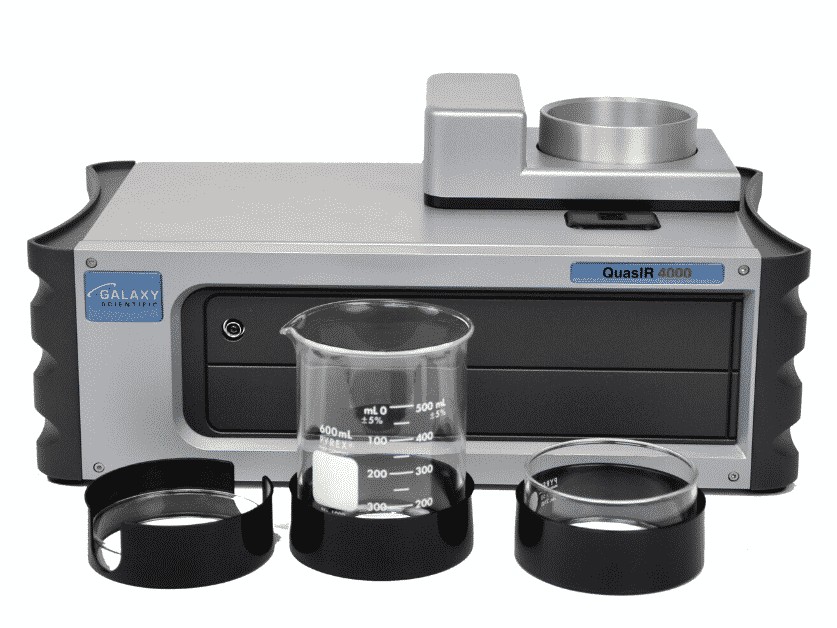
Galaxy Scientific QuasIR 4000
The most versatile QuasIR FT-NIR: integrating sphere and transmission chamber in one portable spectrometer for liquids, solids, and pastes.
View product

Equipment guide
Spectroscopy identifies or quantifies materials by how they absorb, emit or scatter light. For metals, atomic absorption (AAS) is the economical choice, ICP-OES handles many elements at once, and ICP-MS reaches ultra-trace levels. UV-Vis, NMR, Raman and FT-NIR cover organic and material analysis.
The most versatile QuasIR FT-NIR: integrating sphere and transmission chamber in one portable spectrometer for liquids, solids, and pastes.
View product
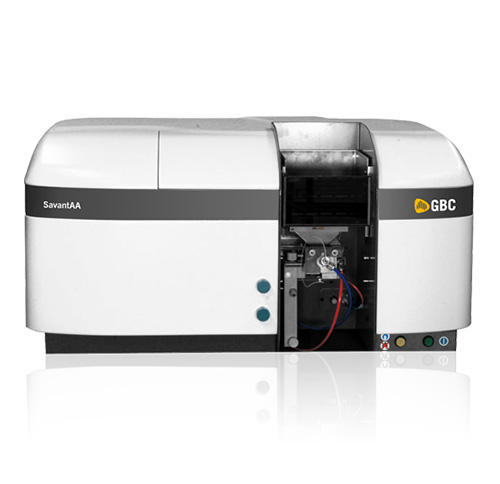
Double-beam AAS from GBC Scientific Equipment: Ebert-Fastie 333 mm, 175–900 nm, 1800 line/mm, 8-lamp turret, Hyper-Pulse background correction.
View product
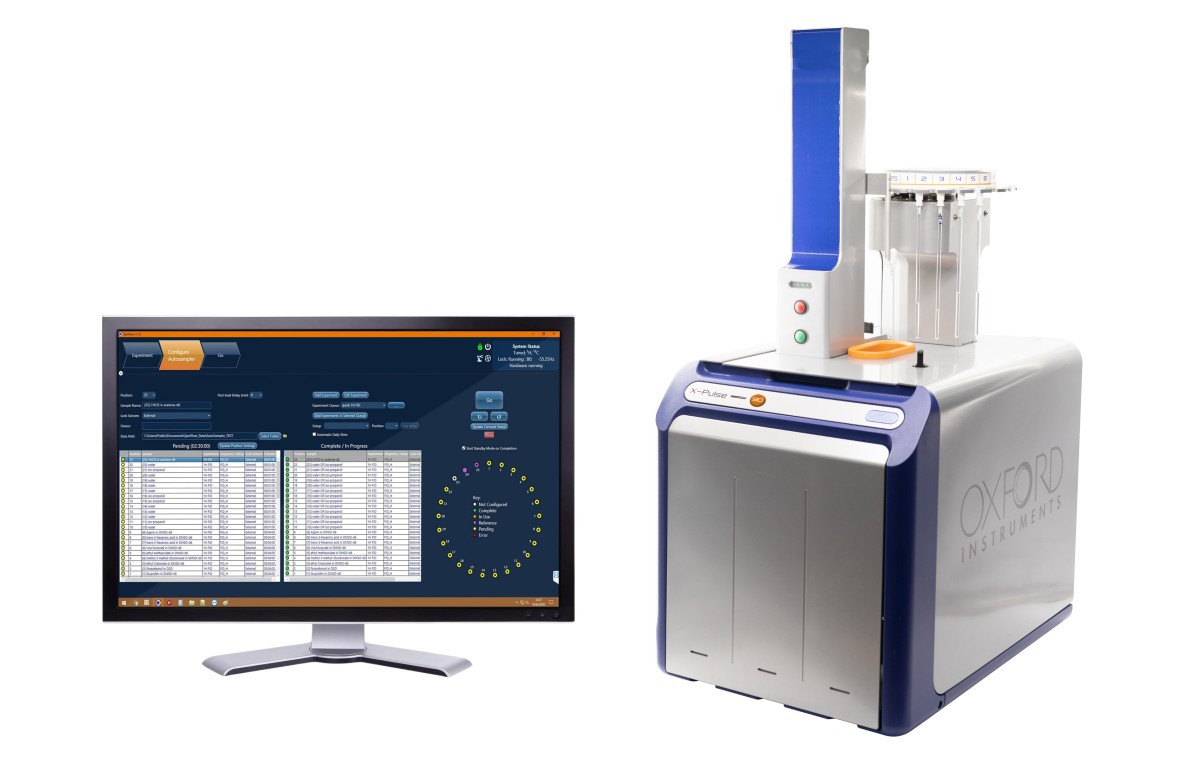
The only 90 MHz broadband benchtop NMR: cryogen-free permanent magnet, SpinFlow software, optional 25-position X-Auto — structure and QC on the bench, not in a superconducting hall.
View product
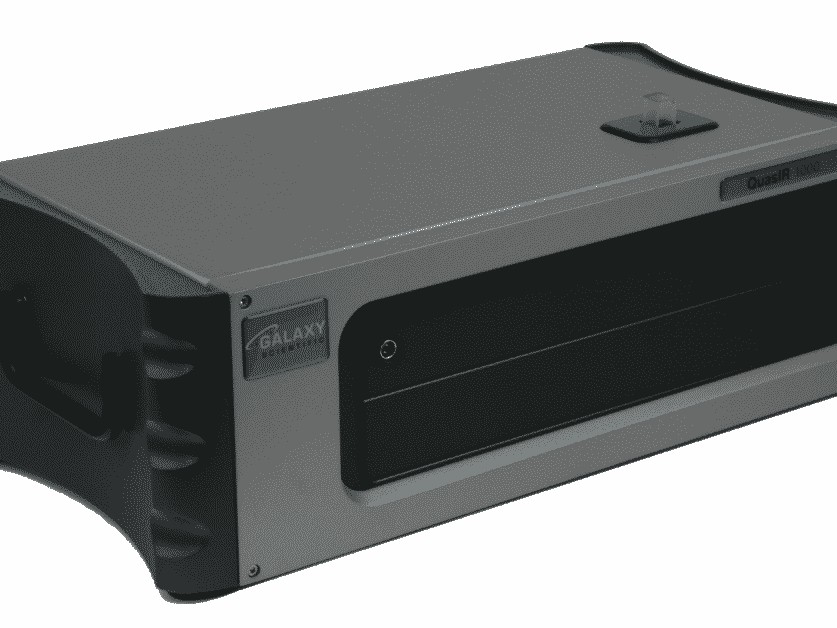
Portable FT-NIR with a transmission chamber for liquids — cuvettes and vials up to 10 mm, with optional temperature control from 20 °C to 100 °C.
View product
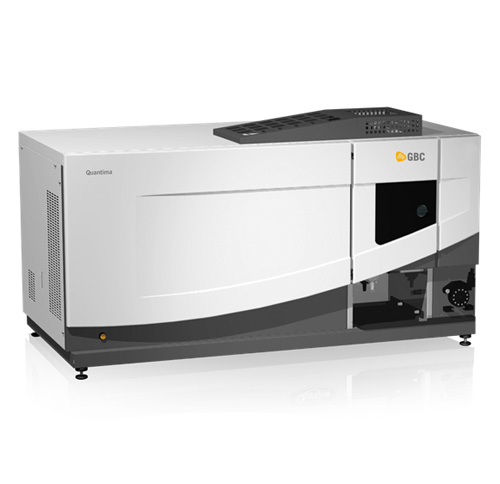
GBC ICP-OES: 11 L/min argon on typical aqueous work, IIS ignition, slurry and high TDS without dilution, organics without an oxygen accessory.
View product
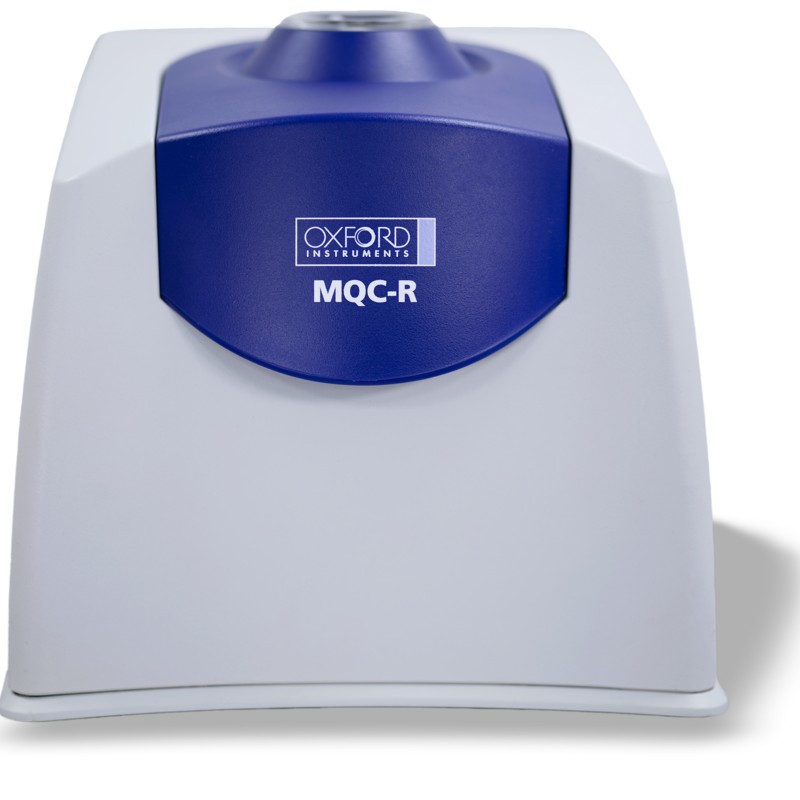
Benchtop time-domain NMR at 23 MHz: oil, fat, moisture, protein, fluorine, droplet size — interchangeable 10–26 mm probes, optional >3 T/m gradients, QA software beside the research package.
View product
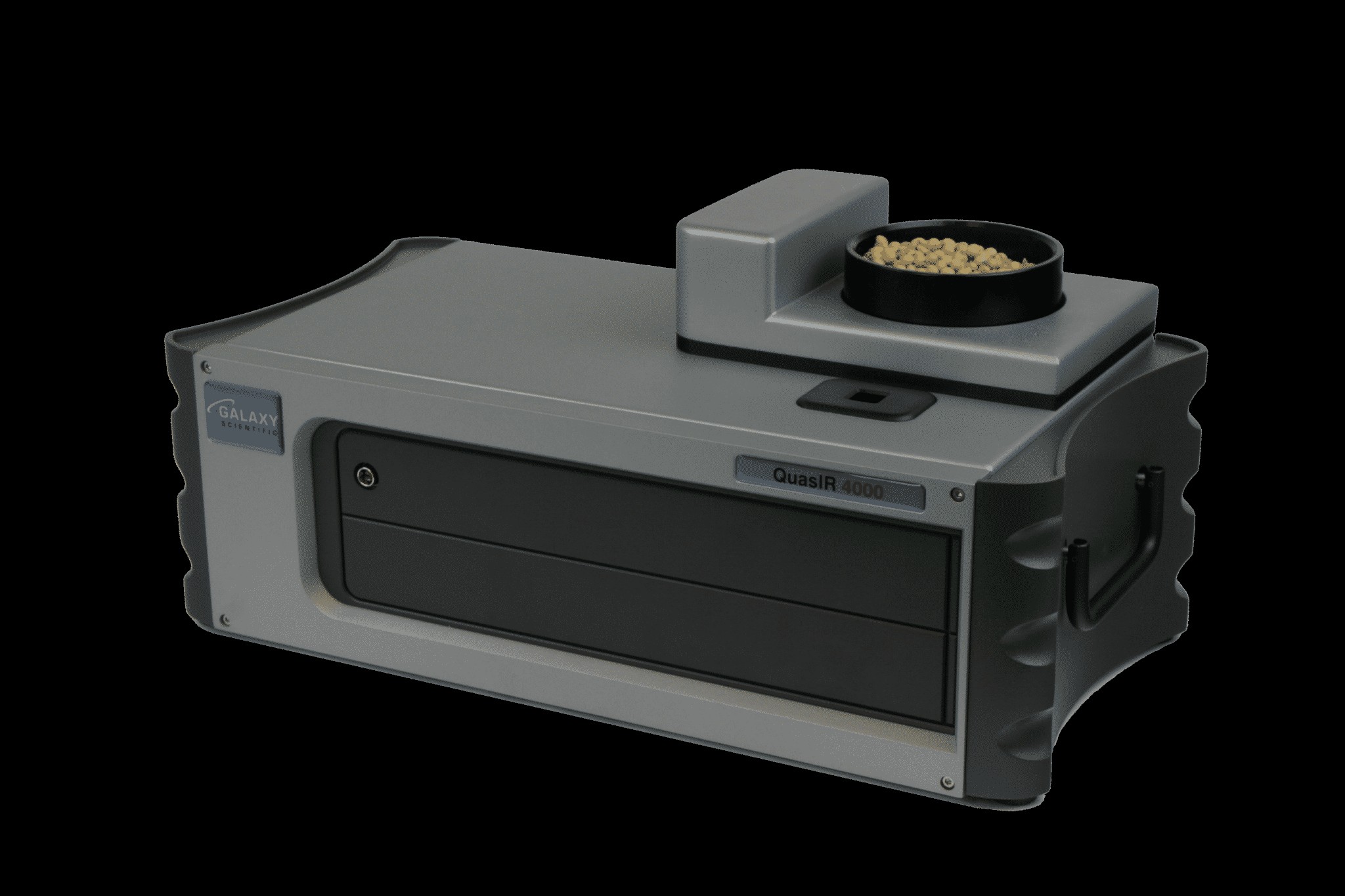
Portable FT-NIR with a 23 mm integrating sphere for solids, plus transflectance for opaque liquids and pastes — built for food and agriculture sampling.
View product
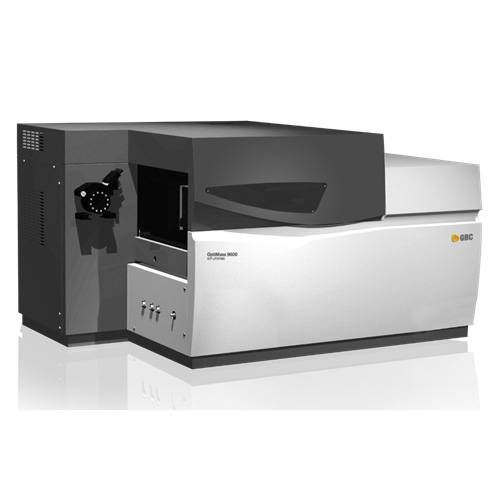
OA-TOF ICP-MS: 27.12 MHz RF at 500–1500 W, argon <12 L/min, 1–260 amu, >30,000 spectra/s, resolution typically ≥1,200 for 238U.
View product
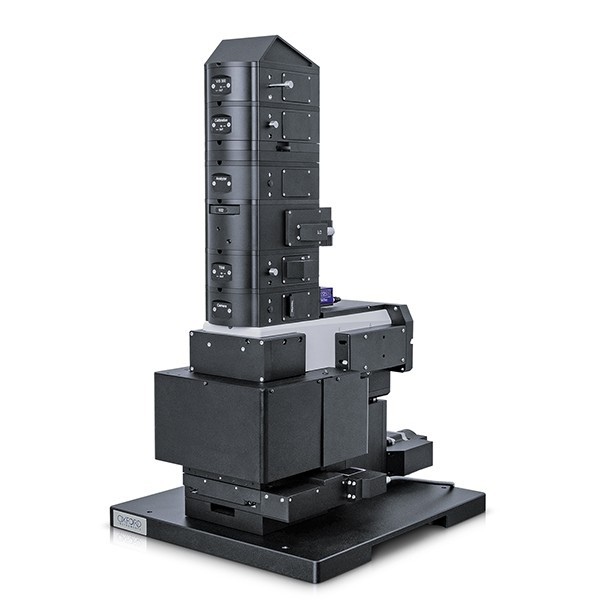
WITec confocal Raman imaging: Hexalight spectrometer 350–1100 nm, up to six gratings, correlative AFM/SEM/fluorescence — chemical maps at the nanoscale, not a point-and-shoot Raman probe.
View product
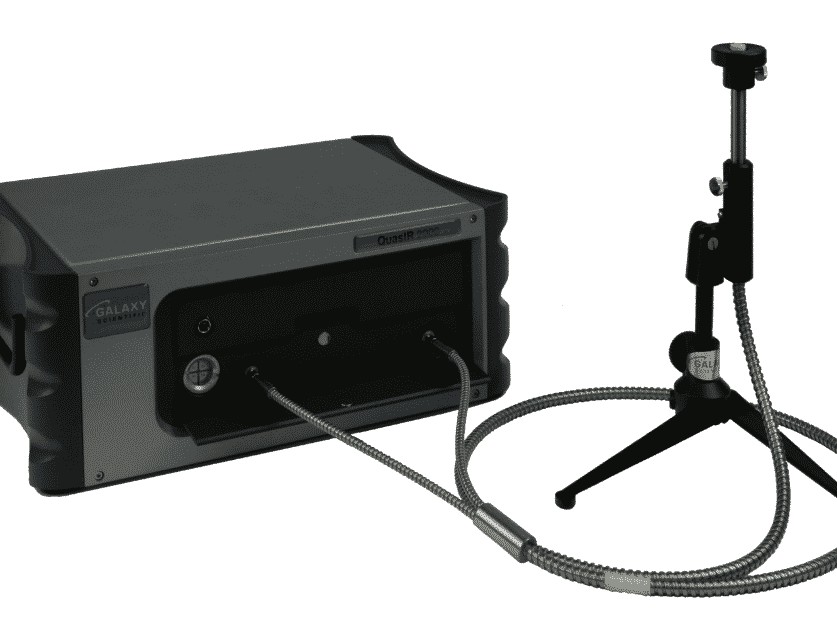
Portable fiber-optic FT-NIR for lab, process, and field — SMA 905 probes for reflection, transmission, or transflectance of liquids or solids.
View product
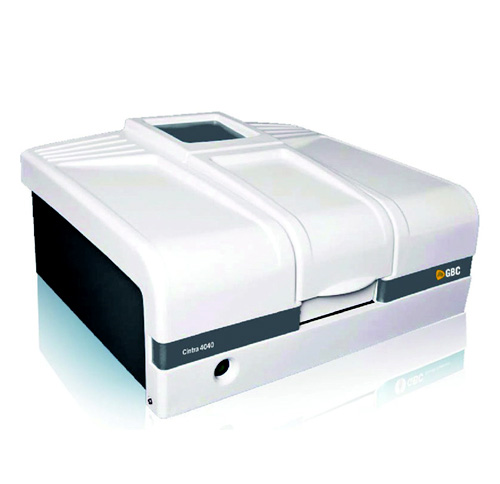
True double-beam double-monochromator UV-Vis: 190–900 nm, bandpass 0.1–2.0 nm, scan 5–10,000 nm/min, R928 PMT, linearity <0.3% at 4 Abs.
View product
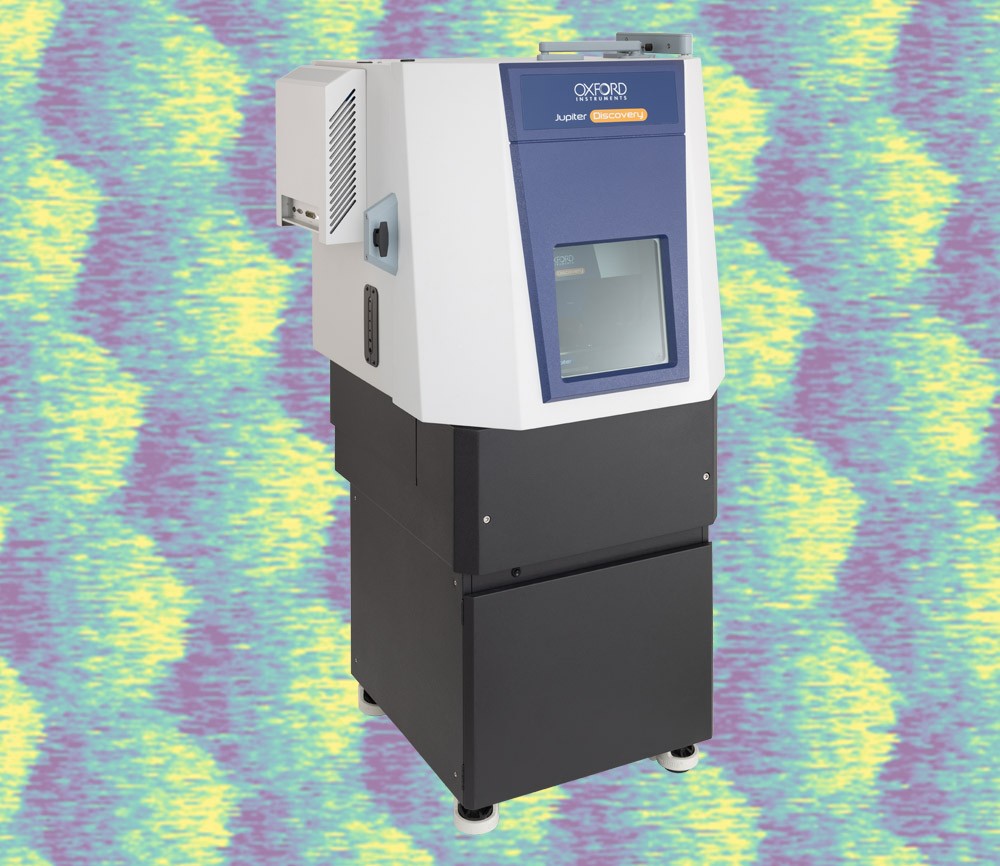
Asylum Research large-sample AFM: <25 pm noise floor, 5–20× faster scans, granite bridge and LVDT sensors — atomic resolution with a workflow a new user can finish in minutes.
View product
AAS for ppm–ppb single elements, ICP-OES for multi-element ppm–ppb, ICP-MS for ppb–ppt trace and isotopes.
ICP techniques analyse many elements per sample, so they win for large sample batches; AAS is simple for a few elements.
Liquids suit AAS and ICP; solids may need digestion, or direct techniques such as XRD, Raman or FT-NIR.
Benchtop NMR, Raman and portable FT-NIR bring analysis to the production floor or field without a full research facility.
ICP consumes argon; plan gas supply and cooling (see our gas and chiller guides) alongside the instrument.
Each range is supplied with installation, operator training and local service.
Use AAS when you analyse a few elements at modest sensitivity, ICP-OES for many elements at once, and ICP-MS for ultra-trace levels or isotope work. Budget, sample volume and detection limits decide.
It measures how a sample absorbs ultraviolet and visible light, used for concentration, purity, kinetics and quality control across pharma, food, water and chemistry.
Yes. Installation, commissioning, application training and support are delivered by the Al-Shaker technical team with the manufacturer's backing.
Talk to the technical team
Share the workflow, capacity, and compliance constraints. We respond with a recommended configuration, not a generic catalogue list.