SIGMA
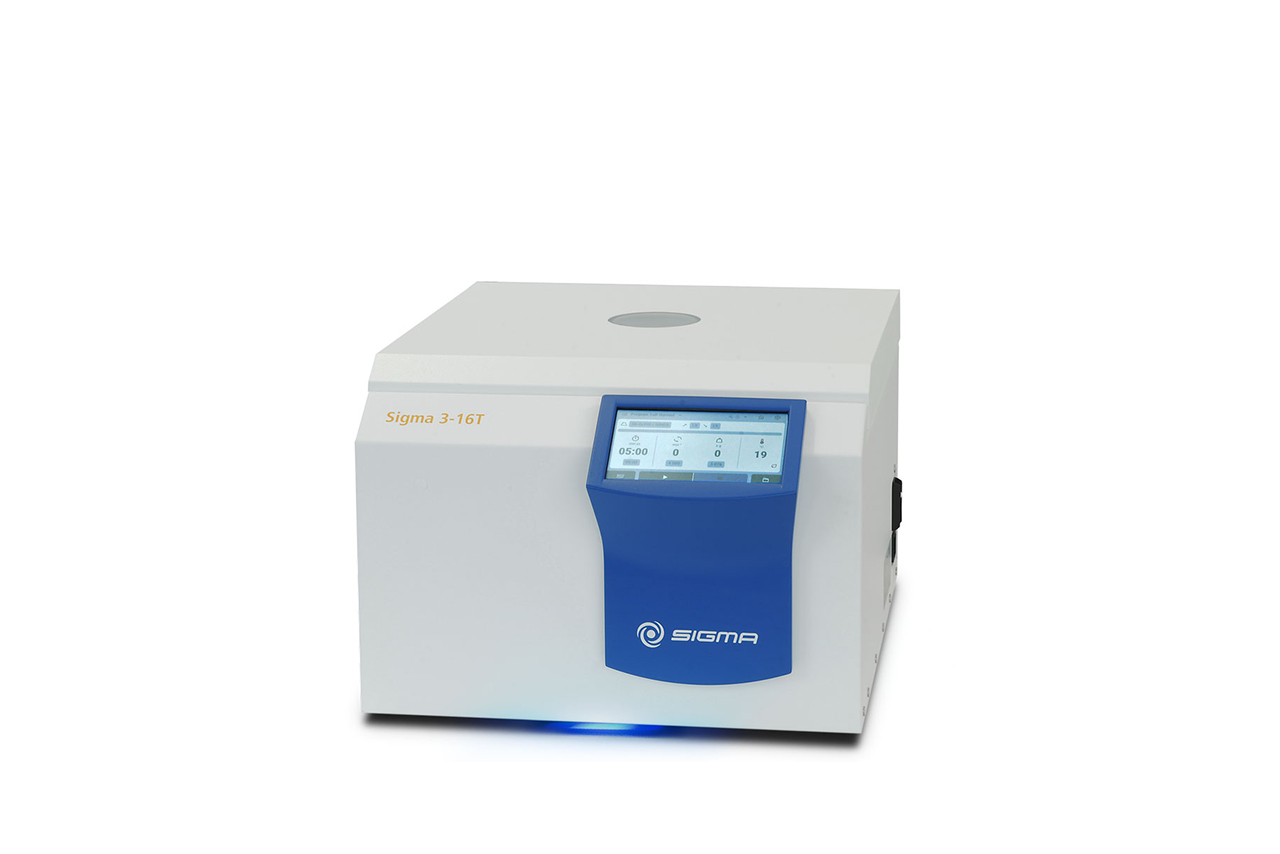
SIGMA 3-16T
Air-cooled 1.6-litre benchtop centrifuge with Spincontrol T touch: 4 × 400 ml, 15,800 rpm, 23,723 × g — Sigma’s new all-rounder family.
View product

Equipment guide
A laboratory centrifuge separates samples by spinning them at a set speed, and the number that matters is relative centrifugal force (RCF, in x g), not RPM. Choose it by the largest tube you will spin, the RCF your protocol needs, and whether samples must stay cooled.
Air-cooled 1.6-litre benchtop centrifuge with Spincontrol T touch: 4 × 400 ml, 15,800 rpm, 23,723 × g — Sigma’s new all-rounder family.
View product
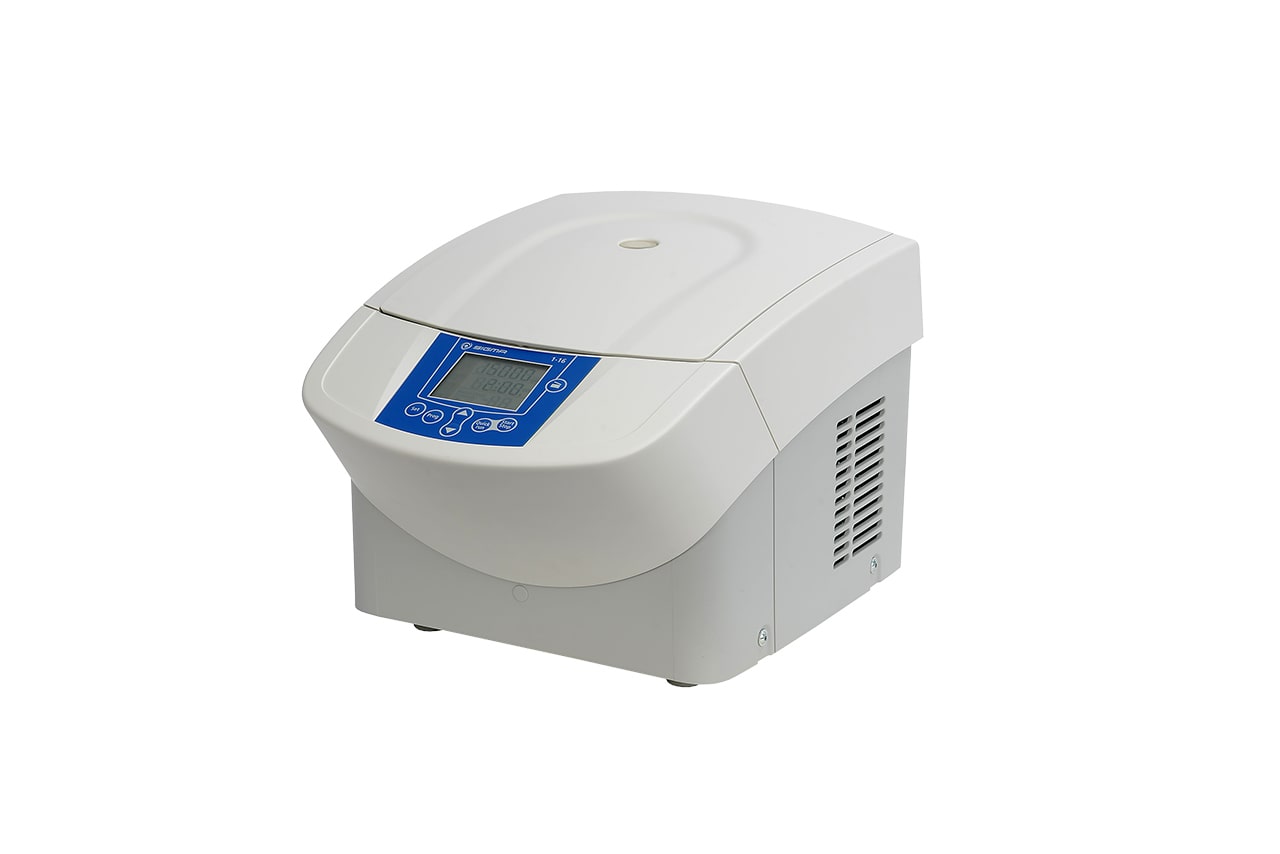
High-grade microlitre centrifuge: 36 × 2 ml, 15,000 rpm, 20,627 × g, stainless bowl and motorised lid — also as refrigerated 1-16K.
View product
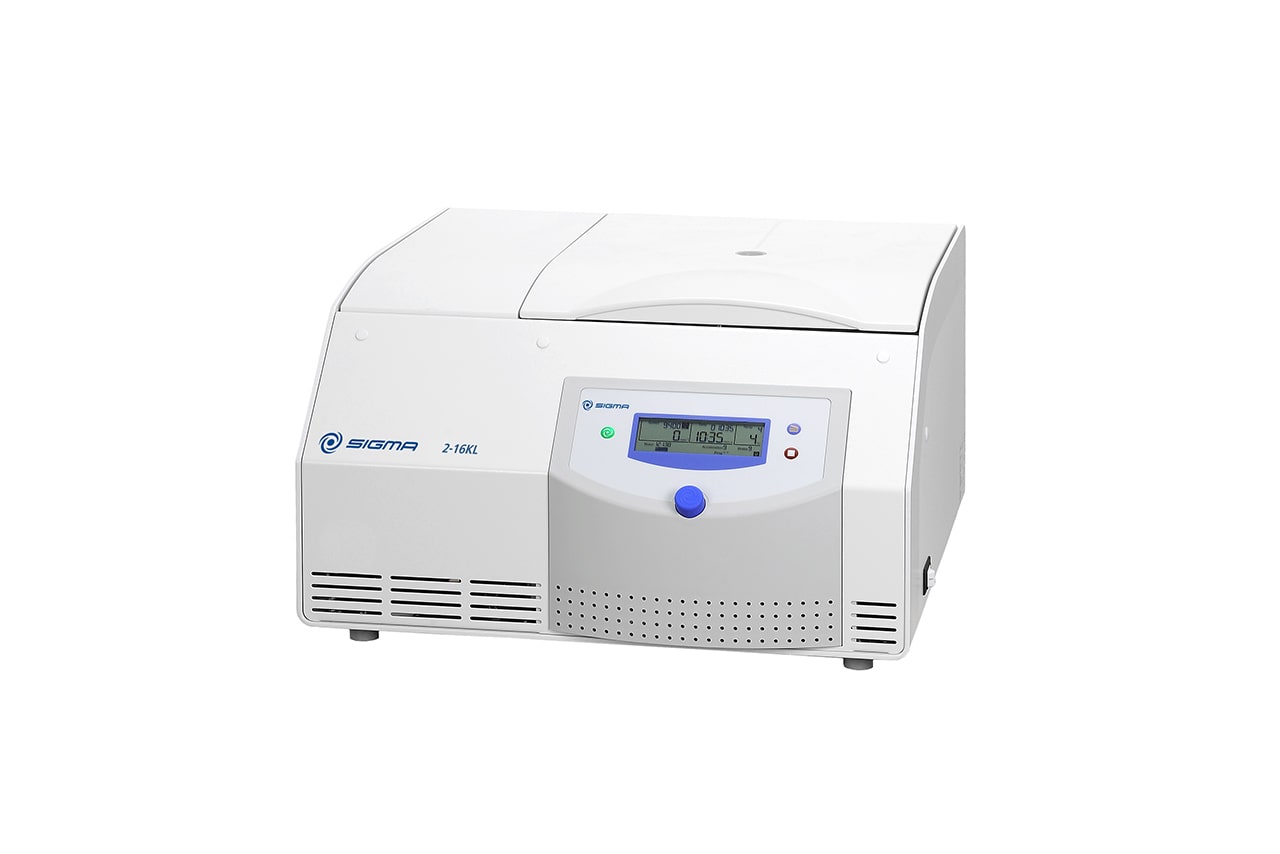
All-purpose refrigerated benchtop: 4 × 100 ml, 15,300 rpm, 21,913 × g, −10 to +40 °C with Rapid Temp — also as heated 2-16KHL.
View product
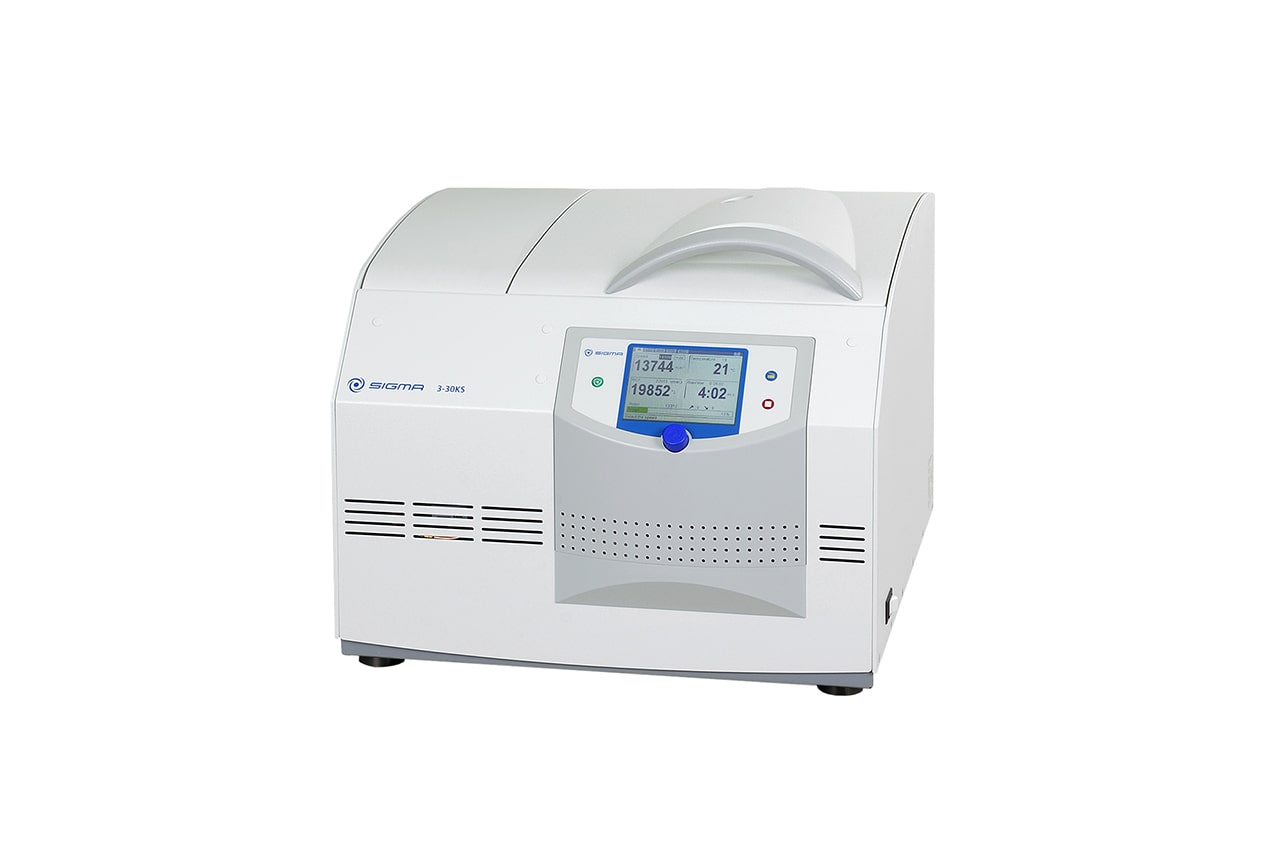
Refrigerated high-speed benchtop between a laboratory centrifuge and an ultracentrifuge: 30,000 rpm, 70,121 × g, −20 to +40 °C.
View product
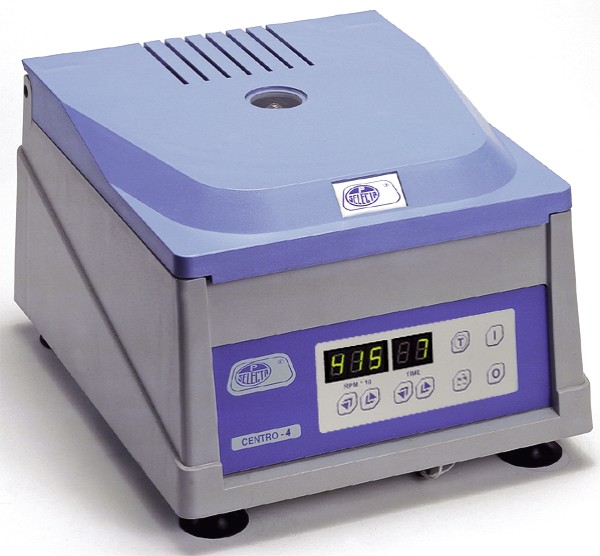
J.P. Selecta centrifuges: 300–15,000 rpm, universal to 400 ml, refrigerated −12 to +40 °C (page also −20 to +40), brushless, UNE-EN 61010.2.020.
View product
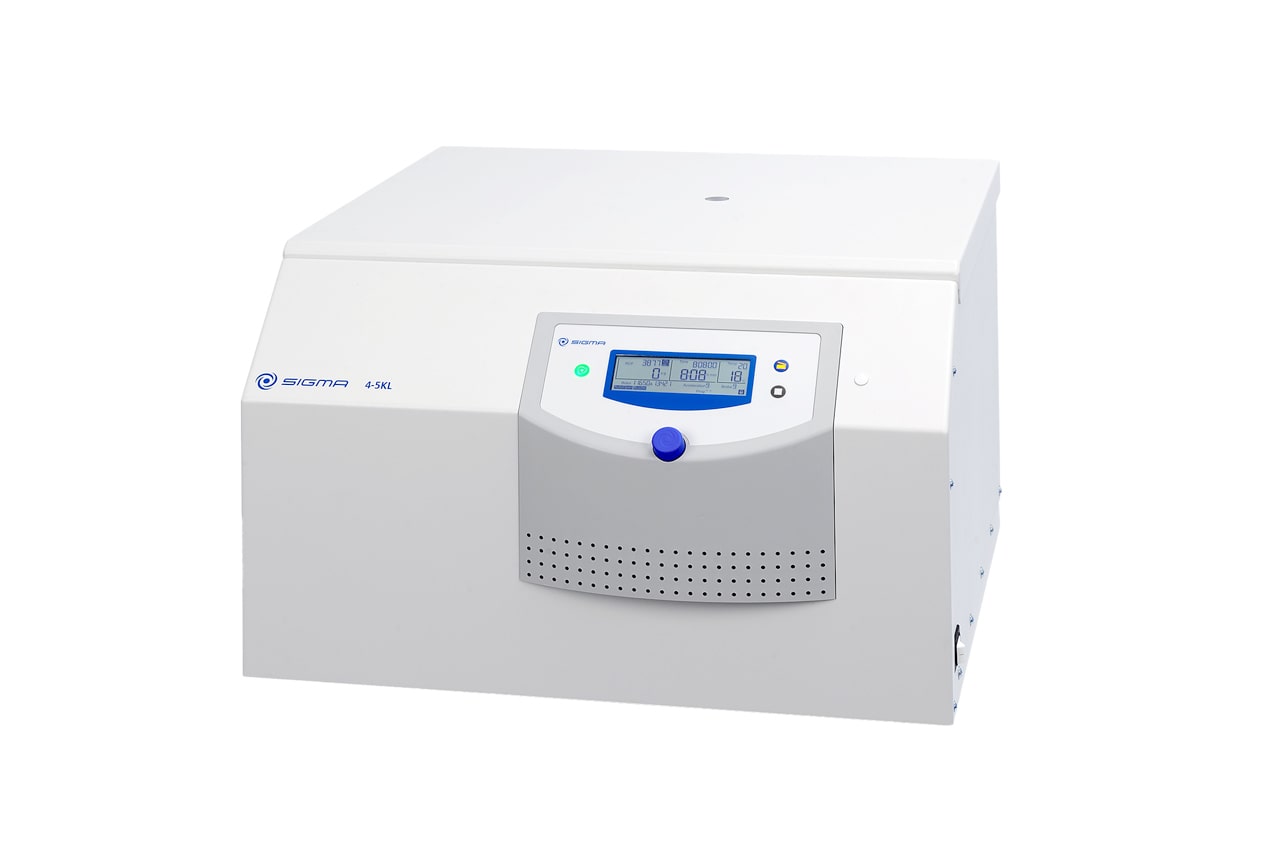
High-throughput refrigerated benchtop for clinical diagnostics and life science: 4 × 750 ml, 20,376 × g, −10 to +40 °C, ECO standby.
View product
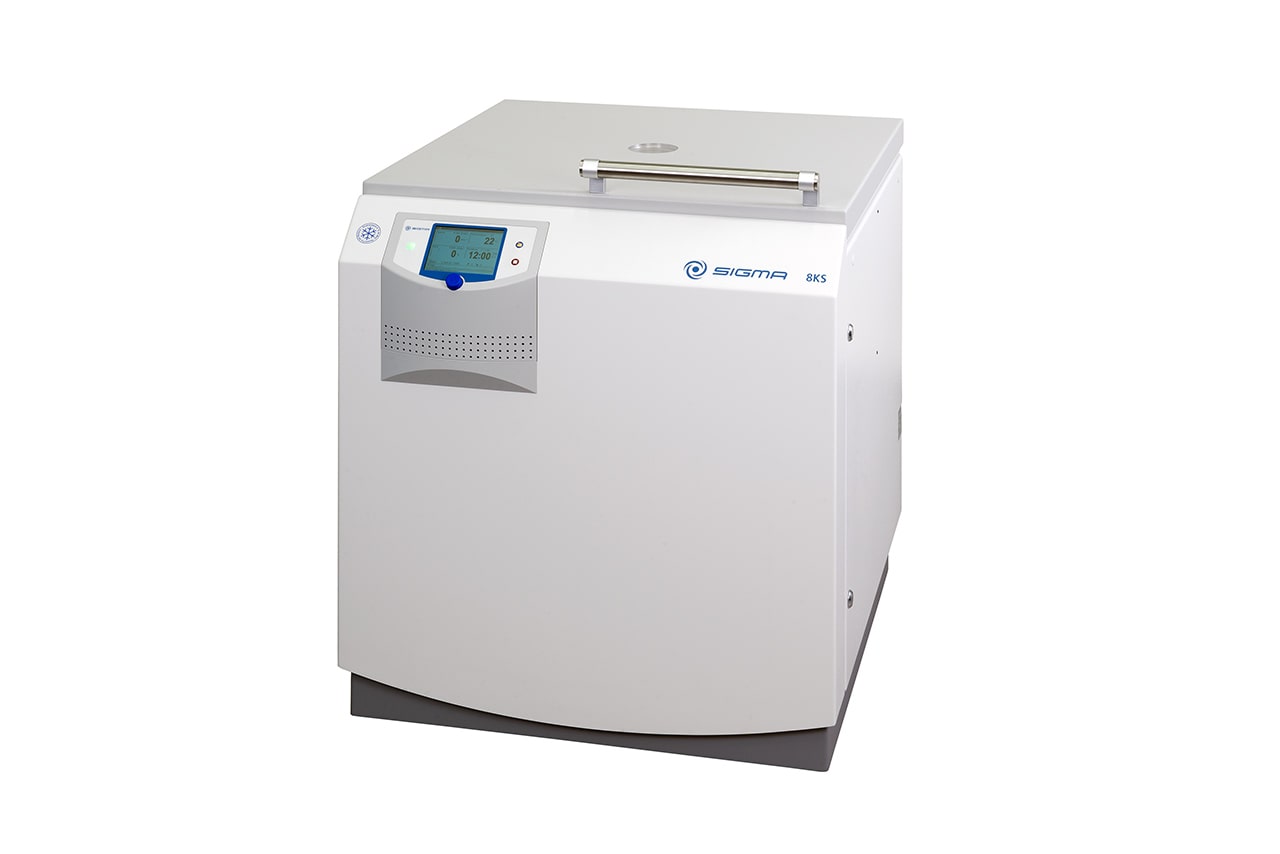
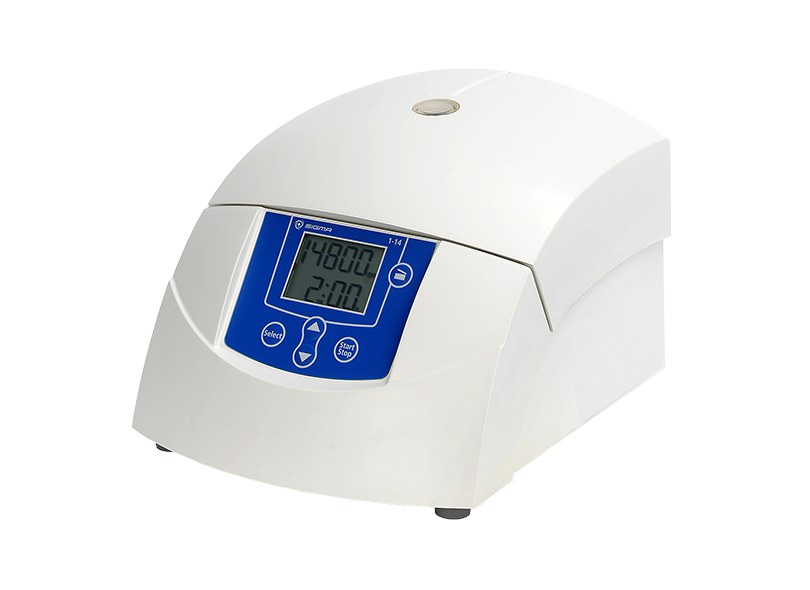
Compact unrefrigerated microcentrifuge for up to 24 x 2 ml tubes, reaching 16,163 x g at 14,800 rpm, with a motorised lid lock and a wide choice of rotors.
View product
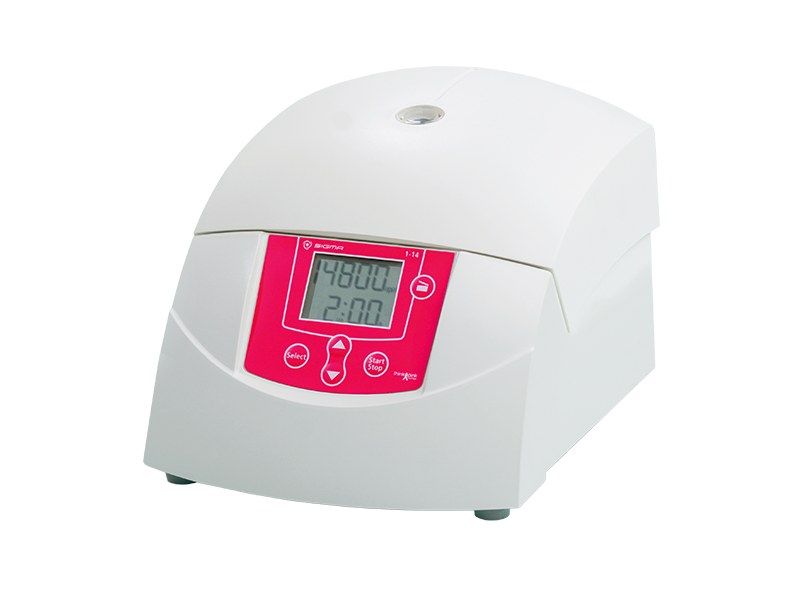
Special-edition Sigma 1-14 microcentrifuge (24 x 2 ml, up to 16,163 x g) for which Sigma donates EUR 50 per device sold to Think Pink Europe.
View product
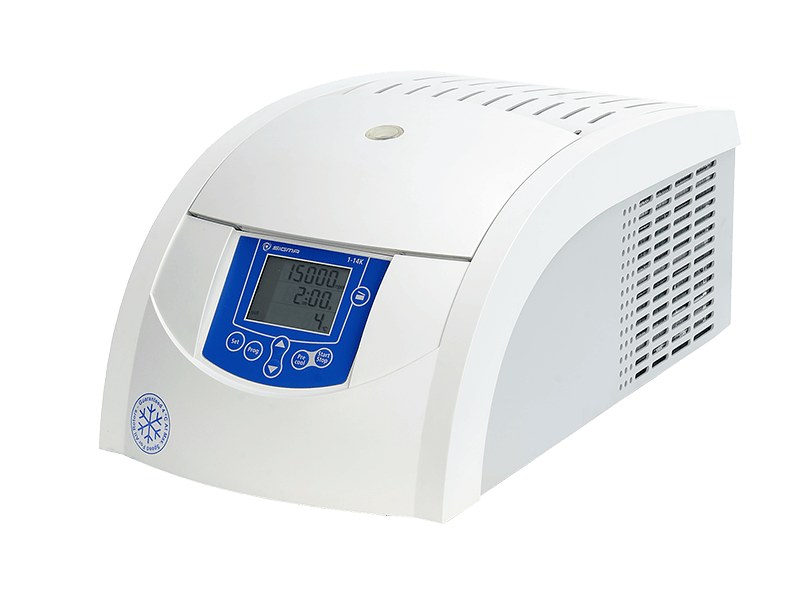
Refrigerated microcentrifuge for up to 24 x 2 ml tubes, 16,602 x g at 15,000 rpm and a chamber range of -10 to +40 °C; Sigma calls it the most compact refrigerated centrifuge on the market.
View product
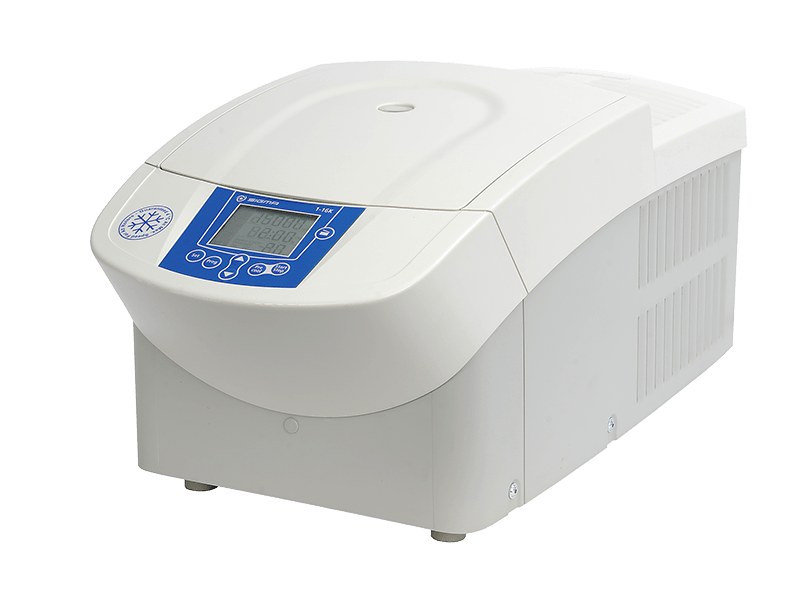
Refrigerated microcentrifuge with RCF above 20,600 x g, a closable 36 x 2 ml biosafe rotor, demand-controlled fan cooling and ten stored programs.
View product
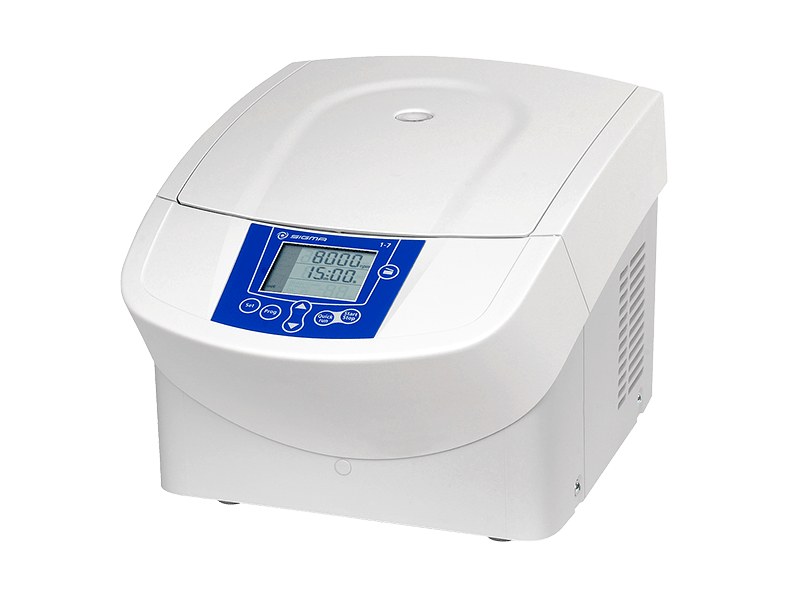
Quiet unrefrigerated small centrifuge for blood and urine specimens, 6 x 15 ml, 8,000 rpm and 6,153 x g, with ten stored programs and a motorised lid lock.
View product
Protocols specify x g. The same RPM gives different force in different rotors, so check the maximum RCF of the rotor you will actually use.
List your tubes (0.2 mL strips to 500 mL bottles) and the batch size. One versatile rotor set often saves buying a second machine.
Refrigerated models hold 4 °C or lower for proteins, blood products and enzymes, and stop rotor heating on long, fast runs.
Swing-out rotors suit pelleting and gradients; fixed-angle rotors reach higher speeds and spin faster for small tubes.
Look for imbalance detection, lid lock, aerosol-tight lids for infectious samples, and rotor-life tracking.
Each range is supplied with installation, operator training and local service.
RPM is rotor speed. RCF is the force the sample experiences and depends on both RPM and rotor radius: RCF = 1.118 × 10⁻⁵ × radius (cm) × RPM². Use RCF when comparing machines or following a protocol.
Yes if you work with proteins, enzymes, live cells or blood products, or run long high-speed cycles. For routine clinical tubes at moderate speed an ambient benchtop model is usually enough.
Yes. The same technical team that specifies the centrifuge installs it, trains operators and offers maintenance contracts, including rotor inspection and speed verification.
Talk to the technical team
Share the workflow, capacity, and compliance constraints. We respond with a recommended configuration, not a generic catalogue list.